
Water Damage & Mold Restoration Services In Turlock, CA
Four services that cover the wet half of a loss: get the water out, dry the structure to a documented standard, and deal with any mold that follows.
TURLOCK · STANISLAUS COUNTY · MEASURED DRYING
Water Damage & Mold Restoration Services In Stanislaus County
We offer four services across Turlock and Stanislaus County, grouped by what actually happens to a building: water gets in, it has to come out and the structure has to dry, and mold follows anything that stayed wet. The IICRC S500 and S520 industry standards describe how water damage and mold work should be done, including moisture readings through drying. Pick the closest match to what is happening at your property, or call (619) 751-1009 and we will talk it through on the phone.
Water Damage
Water out, structure dry, on record. Emergency extraction and structural drying measured with moisture readings.
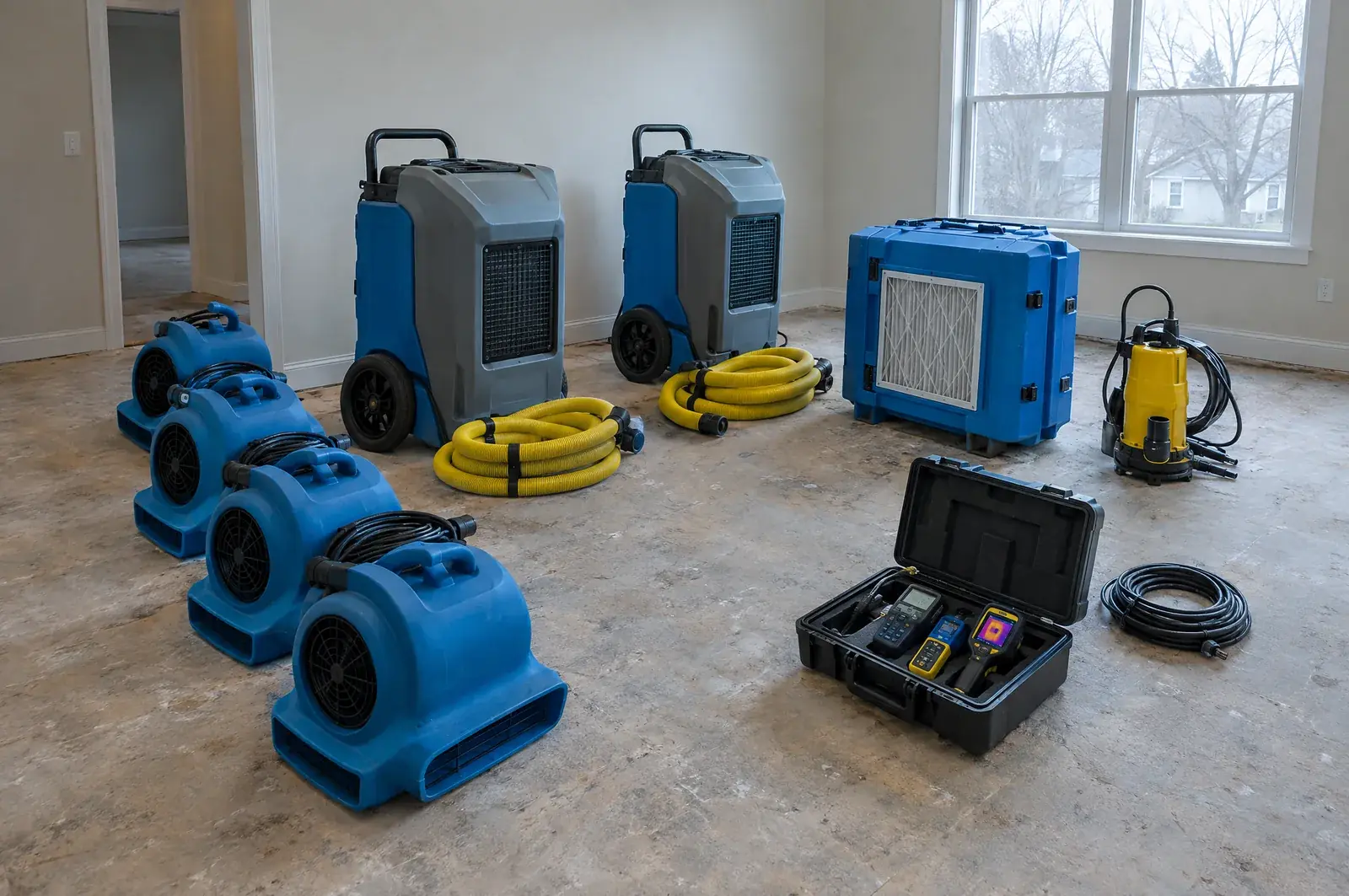
Everything that starts with water where it should not be: burst supply lines, failed water heaters, appliance overflows, slab and fixture leaks, and rain that got inside. Emergency extraction pulls out standing water before it wicks into drywall, cabinets and flooring. Structural drying follows, with air movers and dehumidifiers sized to the loss and moisture readings taken against a dry standard, so the equipment leaves when the numbers say dry rather than when the calendar says three days. In Turlock, where the median home was built in 1984 and most of the year's rain falls November through April, aging plumbing and slow winter drying are the patterns we plan around.
Water Damage Restoration
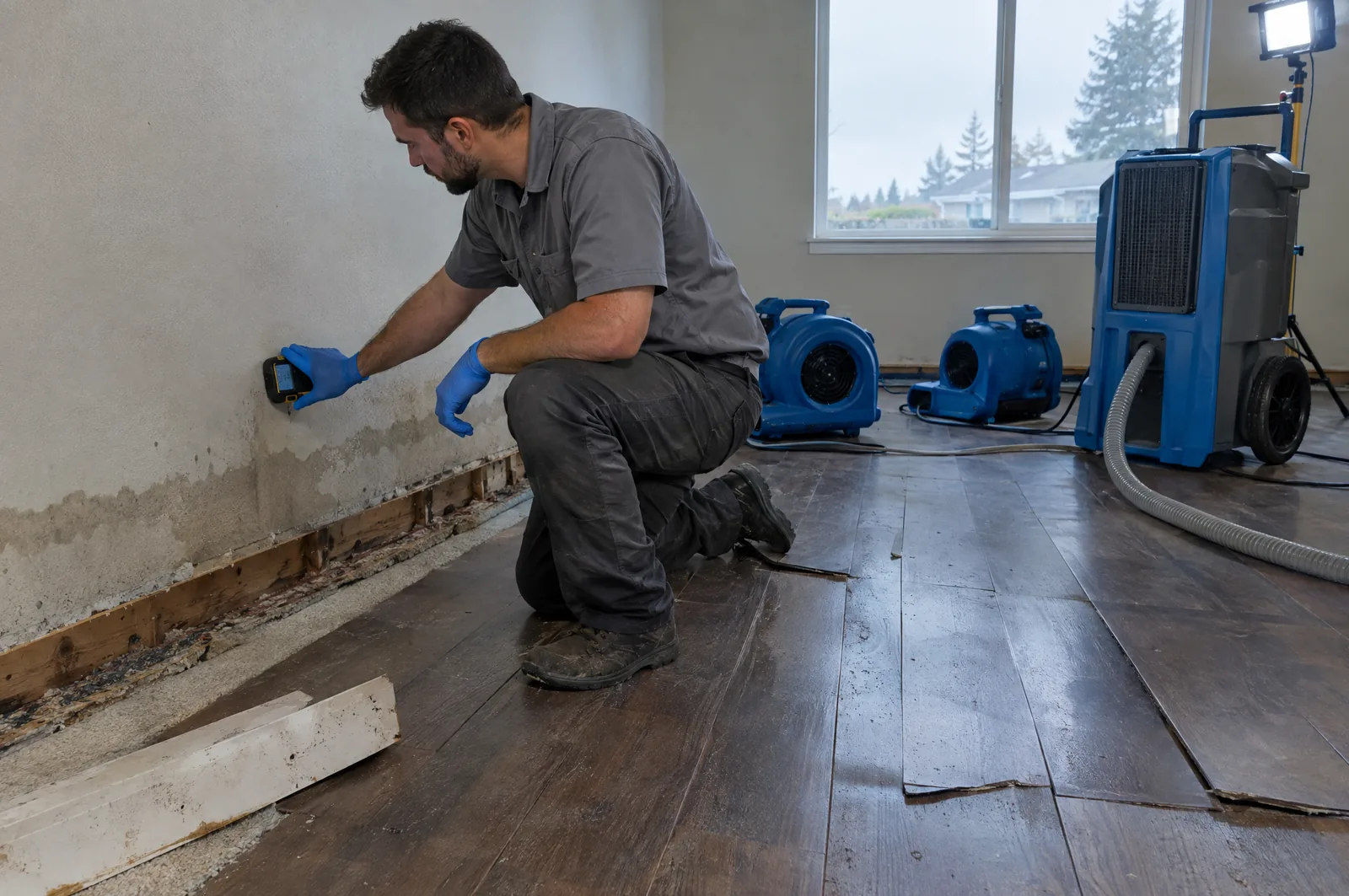
Turlock water damage restoration: water extraction, structural drying to a measured dry standard, and help documenting the loss.
Learn more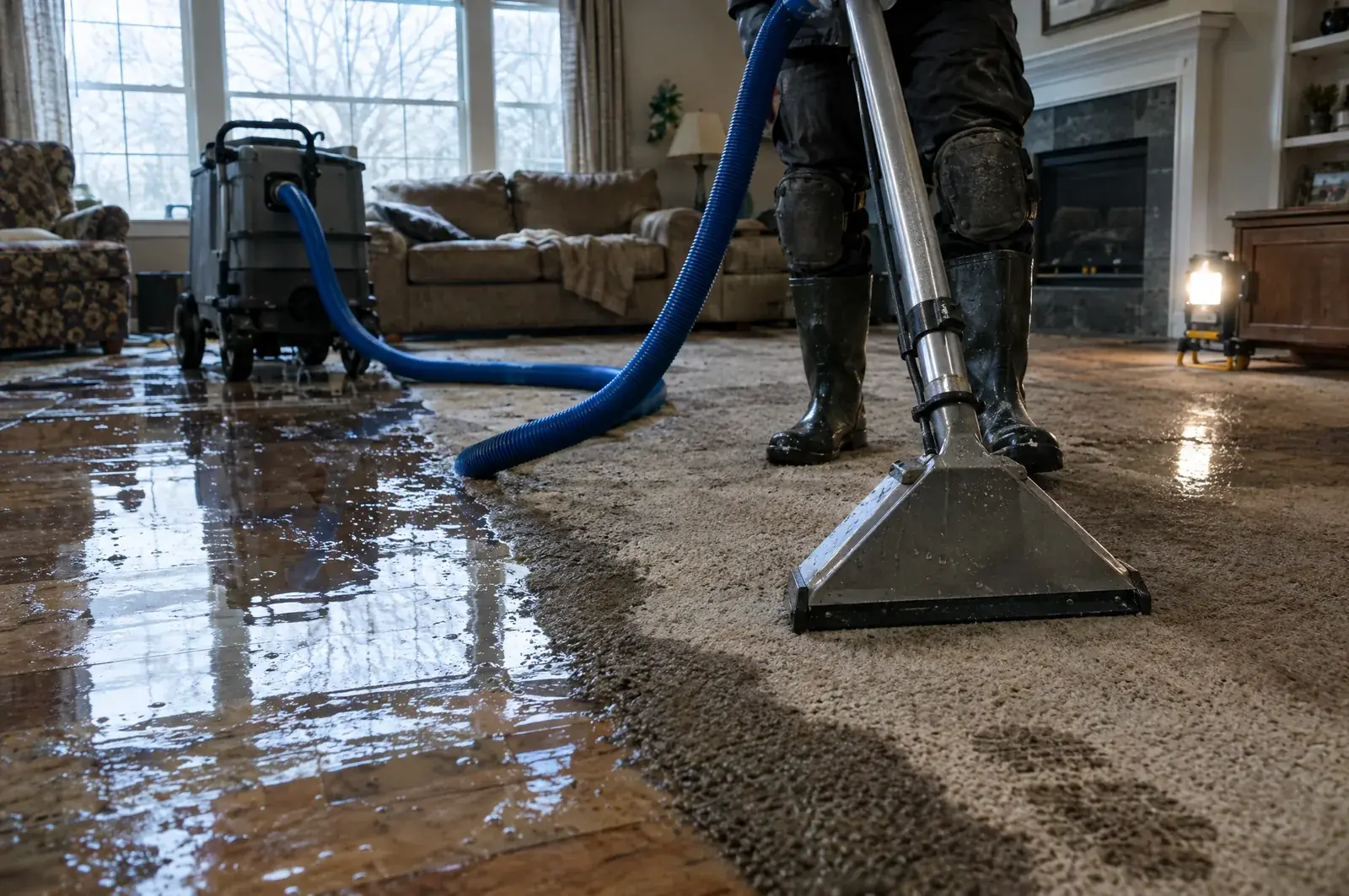
Emergency Water Extraction
Emergency water extraction in Turlock: standing water removed before it migrates into drywall, cabinets and flooring.
Learn more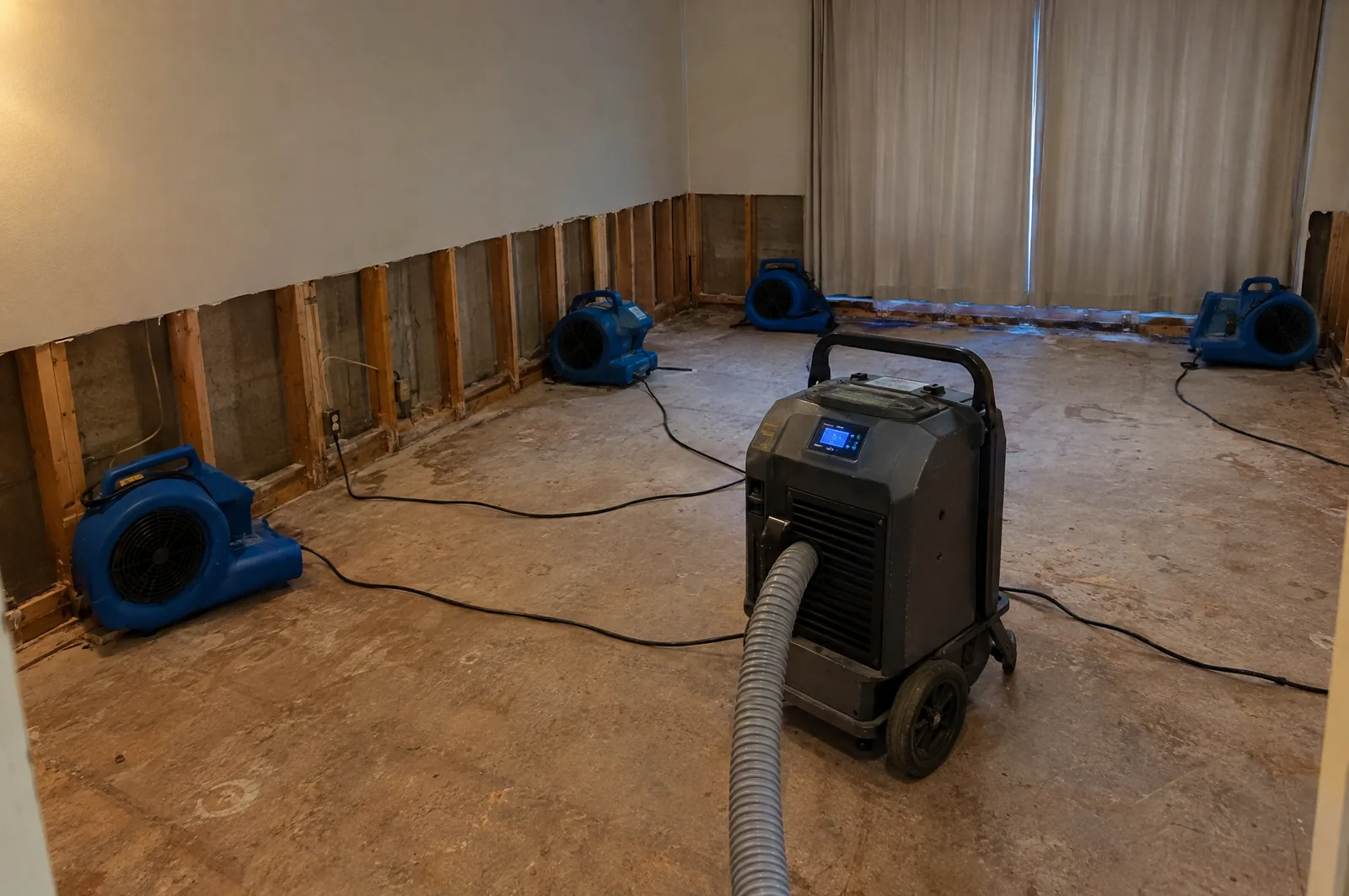
Structural Drying
Structural drying in Turlock: equipment sized to the loss, dehumidification matched to the season, and moisture readings to a measured dry standard.
Learn moreMold
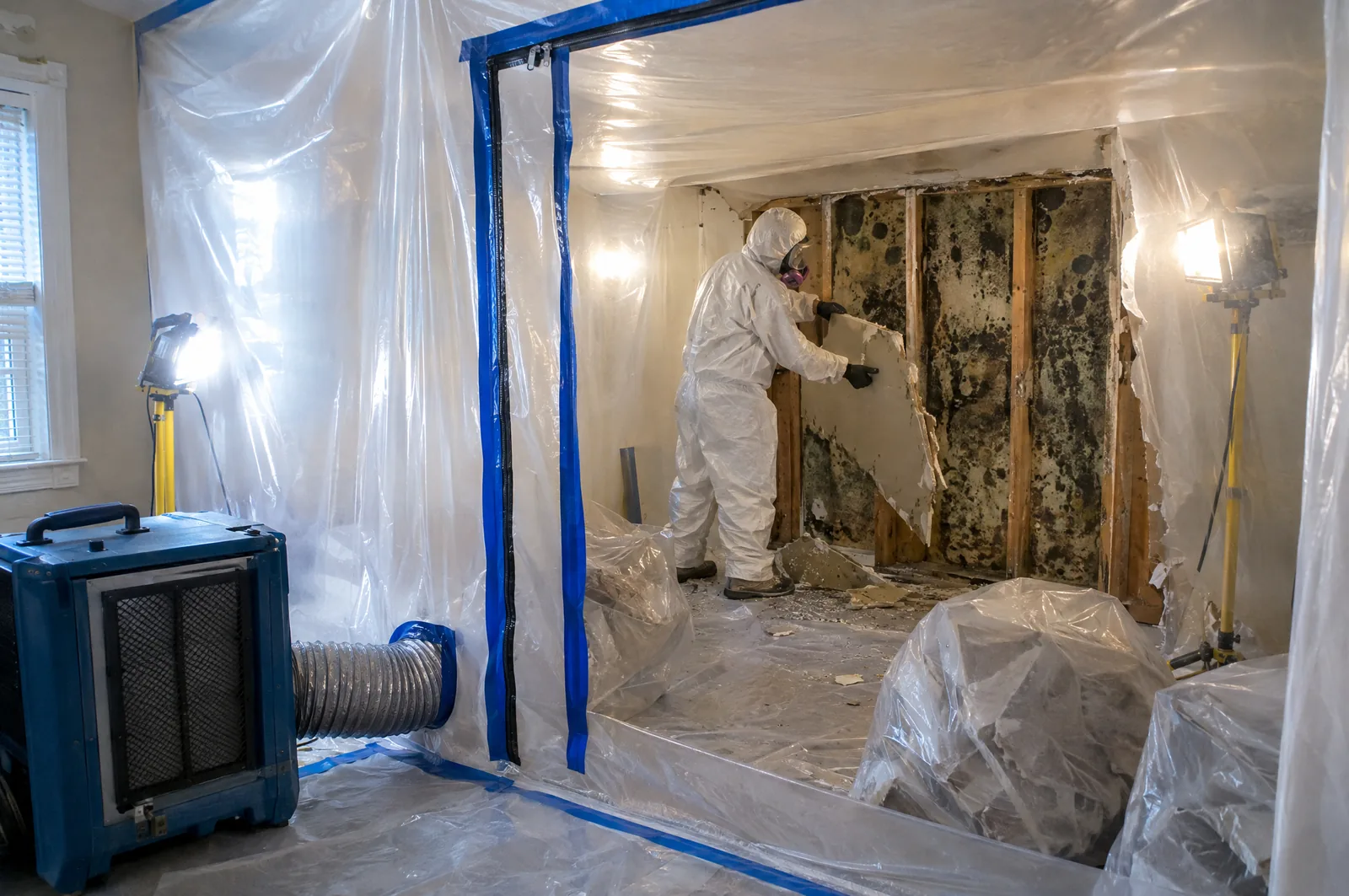
Contain it, remove it, verify it. Containment, HEPA filtration and controlled removal of affected materials.
Find the water first. Mold grows where moisture stays, so the moisture gets mapped and the source driving the growth identified, because remediating without fixing the water just schedules the same job again. Remediation runs inside containment with HEPA filtration, as the IICRC S520 standard describes, affected materials are removed in a controlled way, and the area is checked before the work is called done. Ask for the photos and readings that show what was found and what was removed.
What's Happening At Your Property Right Now?
Pick the closest description and we'll route you to the right service page. Or skip the chart and call us. We'd rather spend two minutes on the phone scoping the problem than send the wrong truck.
Water damage spreading right now
Burst supply line, failed water heater, overflowing appliance, or a leak running into ceilings and walls. Shut the main off and call.
Go to Water Damage Restoration →Standing water on the floor
Enough water that it needs pumping or extraction. Turn off power to wet areas if it is safe to do so, and keep people off wet floors.
Go to Emergency Water Extraction →The leak is fixed, but things are still wet
Damp drywall, swollen baseboards or cabinets, or flooring that feels cool and soft. Surfaces can feel dry while the wall cavity behind them is not.
Go to Structural Drying →Musty smell or visible mold growth
Persistent odor, dark staining, or growth after an old leak. Find the moisture source before anyone opens a wall.
Go to Mold Remediation →Not Sure Which Service? Call Anyway.
If water or mold is involved, call and we will tell you what we see and what the next step should be.